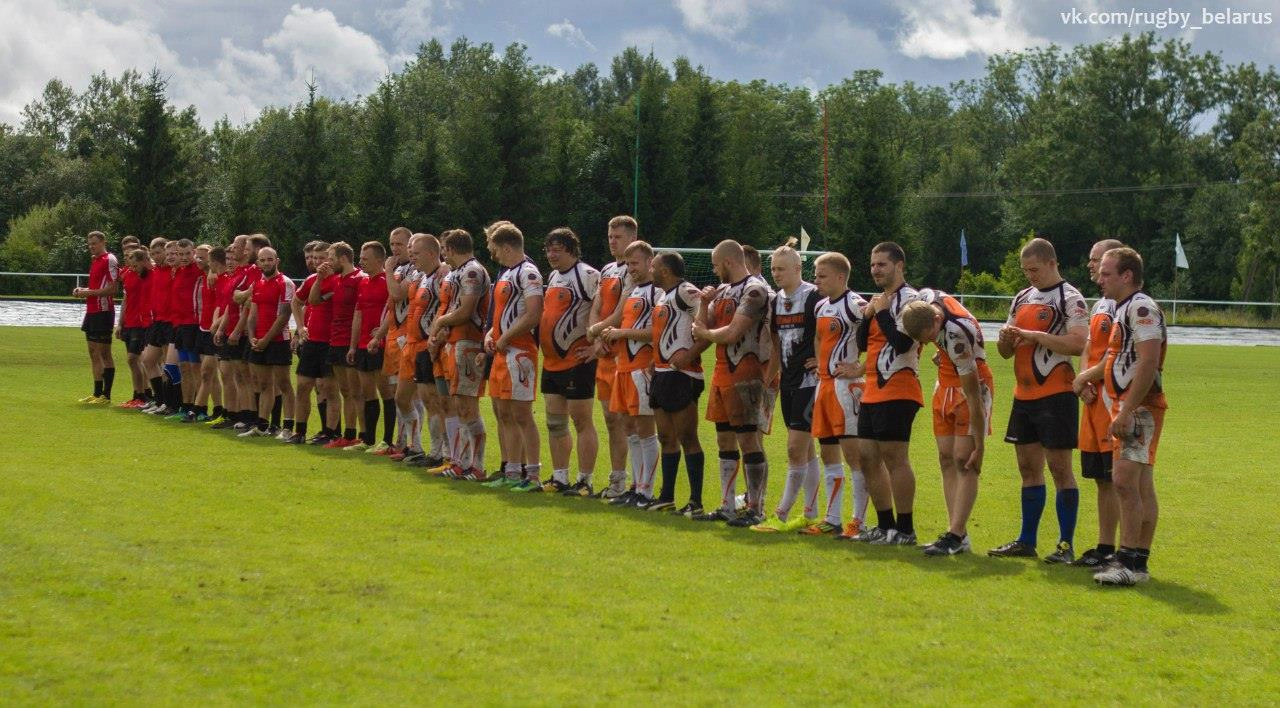

RFC Märjamaa
New Players Welcome

Your First SessionStarts Here.

No experience needed. Meet the team, learn the game and take the first step.

What to Expect Scroll to Explore
Next Championship
0
0
0

Days

0
0

Hours

0
0

Minutes

Current Record
Estonian Olympic Rugby Championships current record
New to rugby? Start here.

Find your reason.

You do not need to arrive as a rugby player. You only need enough curiosity to take the first step. Fitness, competition, confidence, friendship or simply trying something new can bring you through the door.

Your reason to start!
Different starting points. One team.

There is more than one good reason to begin.

Some people come for competition. Some want a reason to train. Others are looking for a team, a challenge or something new outside work. Rugby can offer all of that in the same place.

You do not need previous experience or a special level of fitness. Coaches and teammates help you learn the game, build confidence and take each step when you are ready.

No experience needed Fitness grows with training Contact introduced gradually
Join a training session
Six reasons to play.

The reason that gets you through the door does not have to be the reason that makes you stay.

Get fitter with a purpose

Build speed, strength, endurance and movement through training
with a clear purpose.

Learn a team sport

Passing, support and decision-making teach you to communicate
while the picture keeps changing.

Compete with purpose

Test yourself, chase a shared result and learn how to respond
when things stop going your way.

Find your role

Different positions reward different bodies, instincts and strengths.
A team needs more than one type of player.

Build confidence

Progress becomes visible in small wins: a cleaner pass, a better run,
a harder session completed.

Belong to something

Training creates a team. Matches, travel and the life around rugby
turn that team into a club.

Your first four weeks.

The exact order depends on the session, the coaches and your readiness.
The principle is simple: learn progressively, contribute immediately.

Week 01

Meet the team

Join the warm-up, handle a ball and learn the basic movement of a rugby session without pressure to prove anything.

Week 02

Learn the basics

Work on passing, support lines, positioning and the simple decisions that keep the ball and the team moving.

Week 03

Contact at your pace

Safe body position and contact technique can be introduced gradually, with instruction and according to your readiness.

Week 04

Join team drills

Take part in broader team drills, learn how a session fits together and decide what you want the next step to be.

Questions are normal.

Rugby can look complicated from the outside. These are the things newcomers usually need to know before they arrive.

Vikat uses its own Spond group for Vikat updates and future sessions. Tallinn Kalev publishes its training information through its own Facebook, Instagram and mailing channels.
Do I need previous rugby experience?

No. New players can begin with the fundamentals and learn alongside the team.

Do I need to get fit before I come?

No. Arrive at your current level. Fitness develops through consistent training rather than as an entrance exam.

What should I wear?

Comfortable sports clothing, suitable trainers and water are enough for a first session. The team can advise you about boots and other equipment later.

Will I have to tackle on day one?

You will not be thrown into contact without instruction. Technique is introduced progressively and according to readiness.

Is rugby only for big or fast people?

No. Rugby uses different positions and roles, which means teams benefit from different sizes, strengths, skills and ways of thinking.

Do I need to attend every session?

Consistency helps, but the first step is simply to begin. When Vikat sessions are arranged, the club will use its own Spond group to share details and manage availability.

Where can I confirm times, age options and costs?

For Vikat activity, join the RFC Märjamaa Spond group or contact the club directly.

One session is enough to find out.

Come as you are, meet the team and decide afterwards whether you would like to return.

Come to a training session
Player preparation • fitness • welfare

Built for contact. Trained with care.

Rugby can develop many kinds of fitness, but it is not a shortcut or a miracle cure. The game rewards progressive training,
good coaching, sensible recovery and respect for the body’s limits.

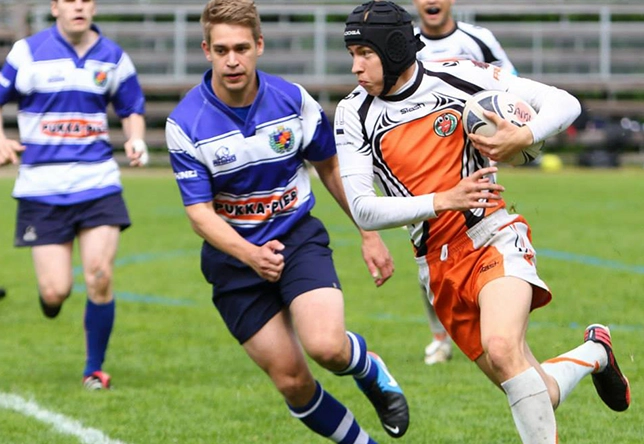
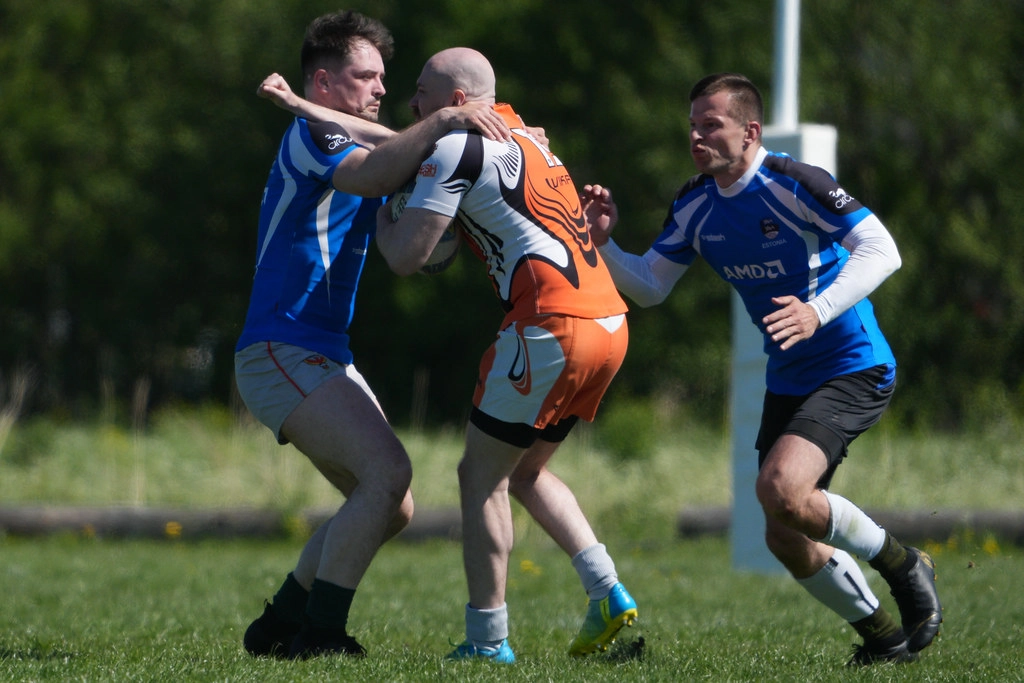
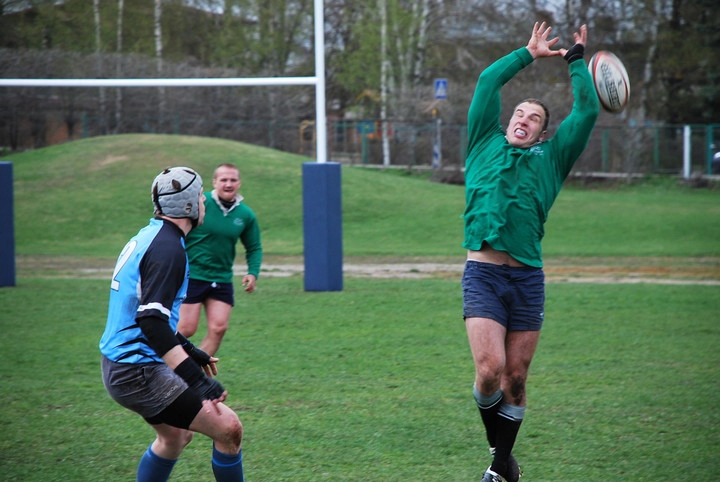
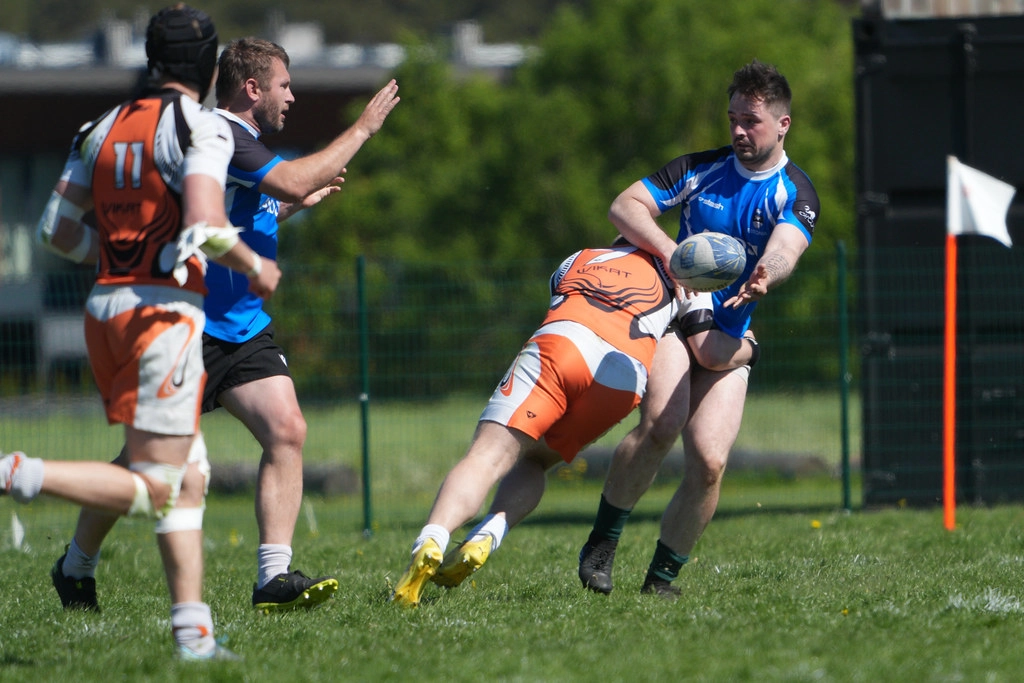
Marvin Üürike on the run
Fitness with a purpose: move, react, recover and go again.

Rugby asks for more than one kind of fitness.

World Rugby describes the game as requiring different combinations of strength, power, endurance, speed and agility. Good stability and mobility provide the base on which those qualities can be developed.

That variety is part of rugby’s appeal. One session can include running, passing, changes of direction, controlled contact, decision-making and repeated efforts with teammates.

World Rugby: physical conditioning

Four pillars of rugby fitness.

Players need these qualities in different proportions. Training should build them progressively
rather than treating every body and every position the same.

Speed

Accelerate, change direction and arrive in support while the game keeps moving.

Strength

Produce and absorb force with better body position, control and technique.

Endurance

Repeat hard efforts, recover between them and keep contributing late in the session.

Stability & mobility

Move efficiently and maintain control through the positions the game demands.

Body. Mind. Recovery.

Progress comes from the whole cycle: training, the confidence to keep learning and enough recovery to adapt.

Body

Regular physical activity supports cardiovascular fitness, muscular fitness and overall health. Rugby gives that movement a team-based purpose.

Mind

Training provides structure, visible progress and shared goals. Physical activity can also support mood, sleep and general wellbeing.

Recovery

Sleep, hydration, nutrition and rest are part of training. Improvement happens when effort is followed by enough time to recover.

Play hard. Prepare properly.

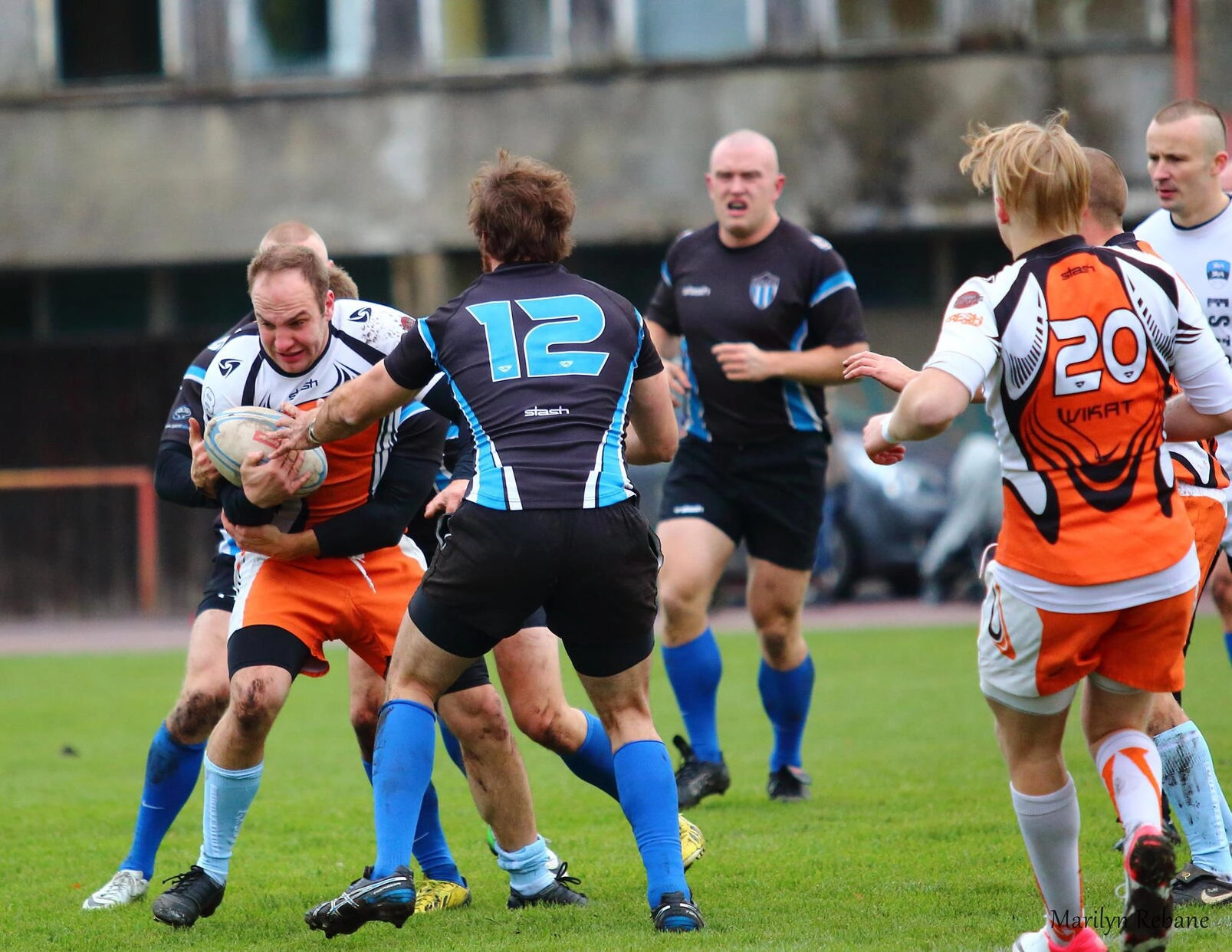
Rugby is a contact sport. Confidence should come from preparation and technique, not from pretending that risk does not exist. World Rugby’s Rugby Ready framework focuses on good practice and safeguards before, during and after participation.

Warm up and prepare for the demands of the session Learn contact skills progressively with qualified guidance Report injuries and follow appropriate return-to-play advice
Recognise and remove. Suspected concussion must be taken seriously. The player should leave play and be assessed by an appropriate healthcare professional before returning.
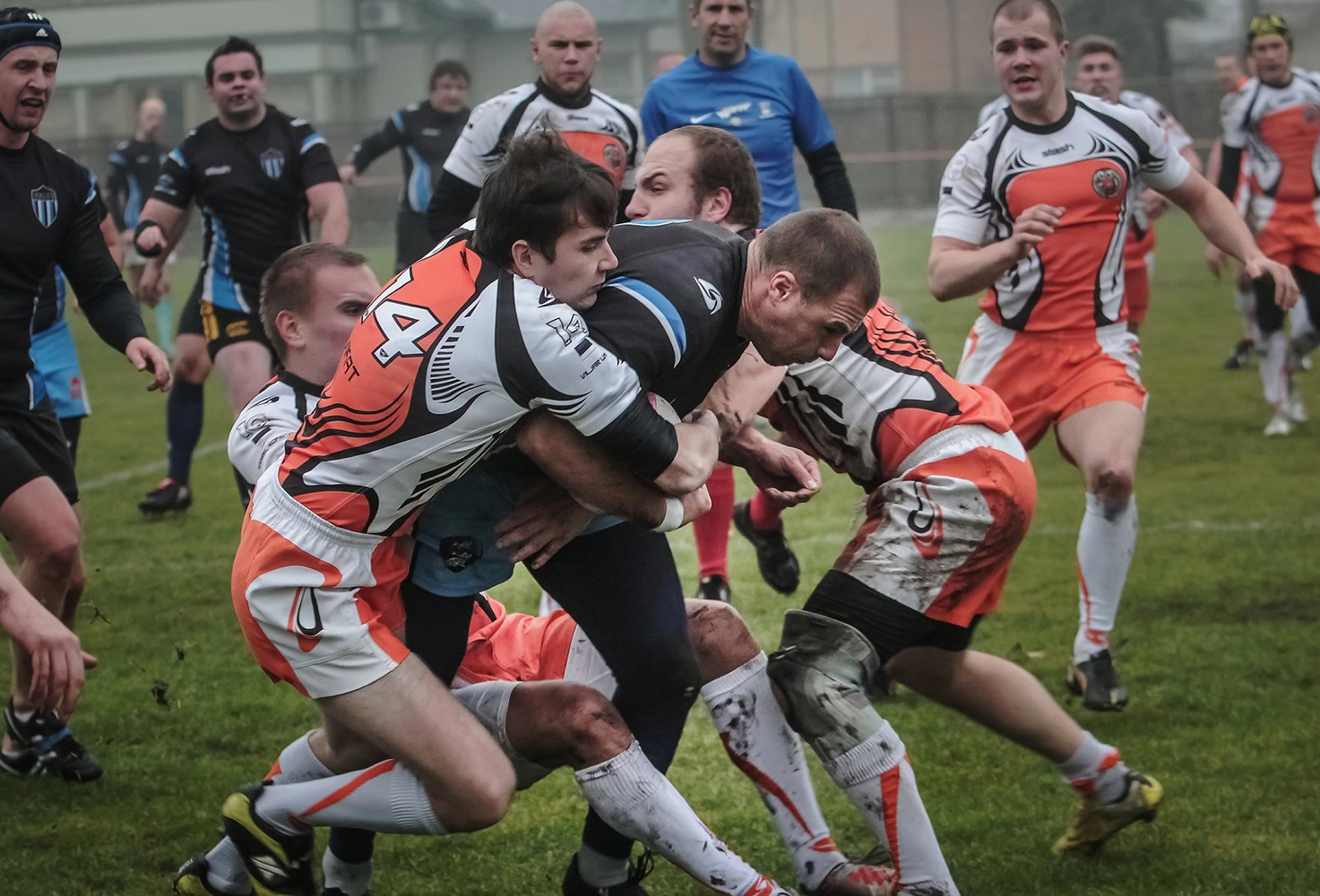
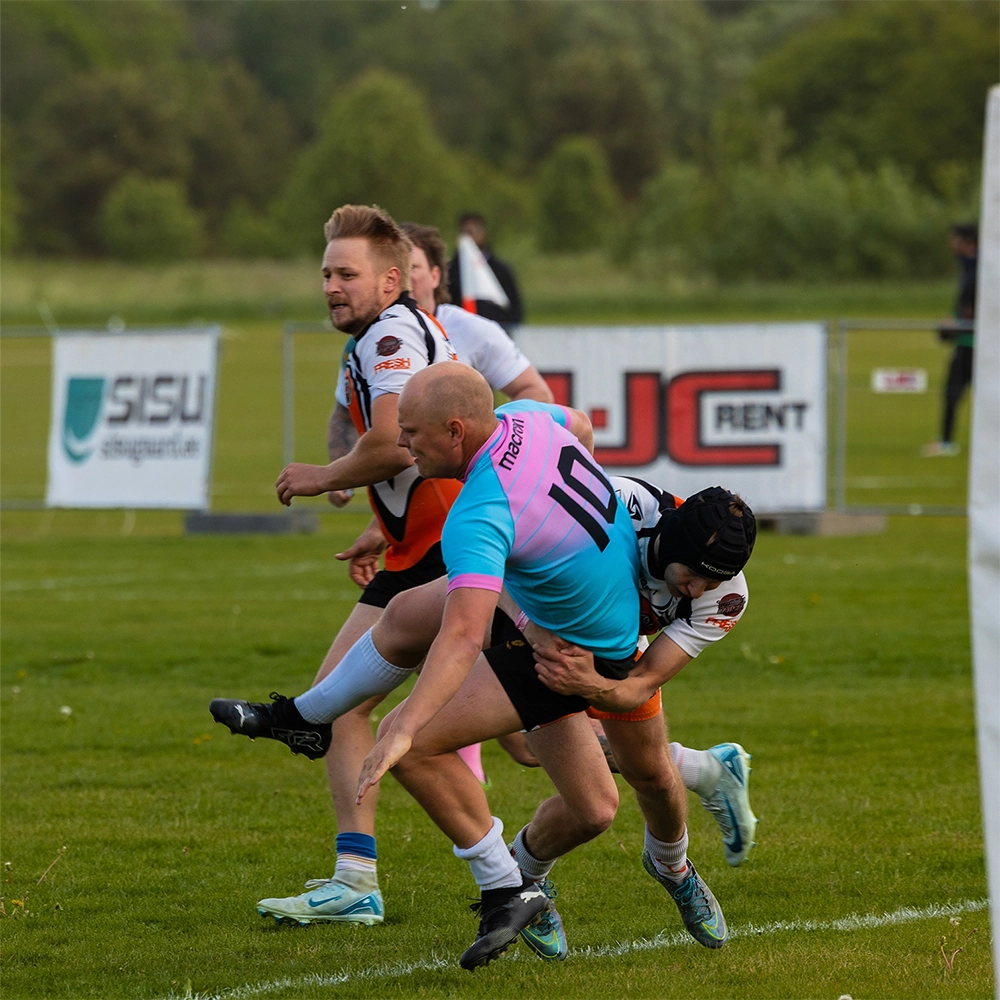
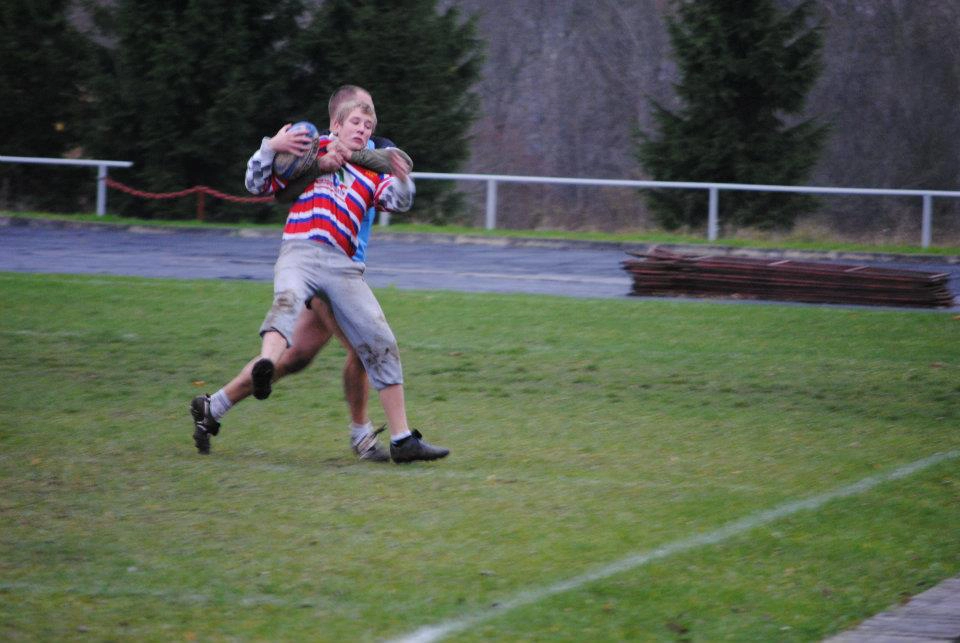
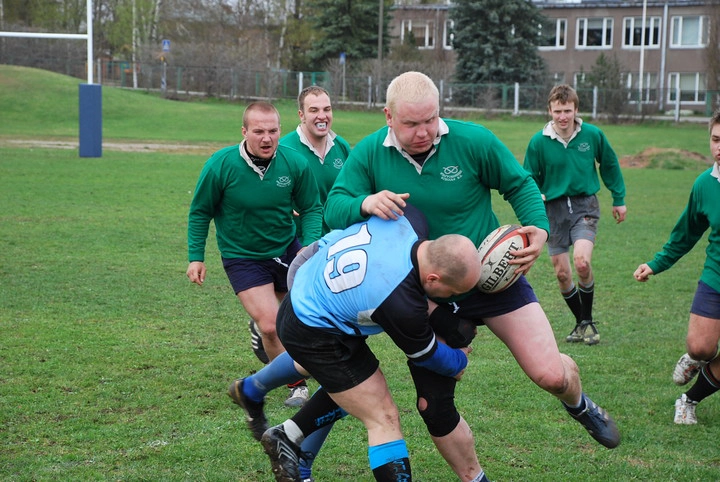
Marvin Üürike tackling Raimond Võigas
Contact belongs inside preparation, technique and responsibility.

What the official sources say.

The broad health benefits come from regular physical activity. The rugby-specific message is about preparing for the demands of the game and managing its risks responsibly.

World Health Organization

Movement supports physical and mental health.

WHO reports that regular physical activity provides significant physical and mental health benefits, including improved wellbeing, sleep and cardiovascular health.

Read the WHO fact sheet
World Rugby

Preparation and safeguards matter.

Rugby Ready promotes good practice in physical conditioning, warm-up, safe participation, injury management and player welfare.

Explore Rugby Ready

General information only. Training, injury and return-to-play decisions should be guided by appropriate coaches and healthcare professionals.

You do not need to arrive fit enough for rugby.

Start at your current level, train consistently and let the game give your effort a direction.

See why rugby might suit you
The people side of the game

You join for rugby. You stay for the people.

A first training session introduces the sport. The weeks that follow introduce the people: teammates who learn your name, rely on your effort and gradually make the group feel familiar.
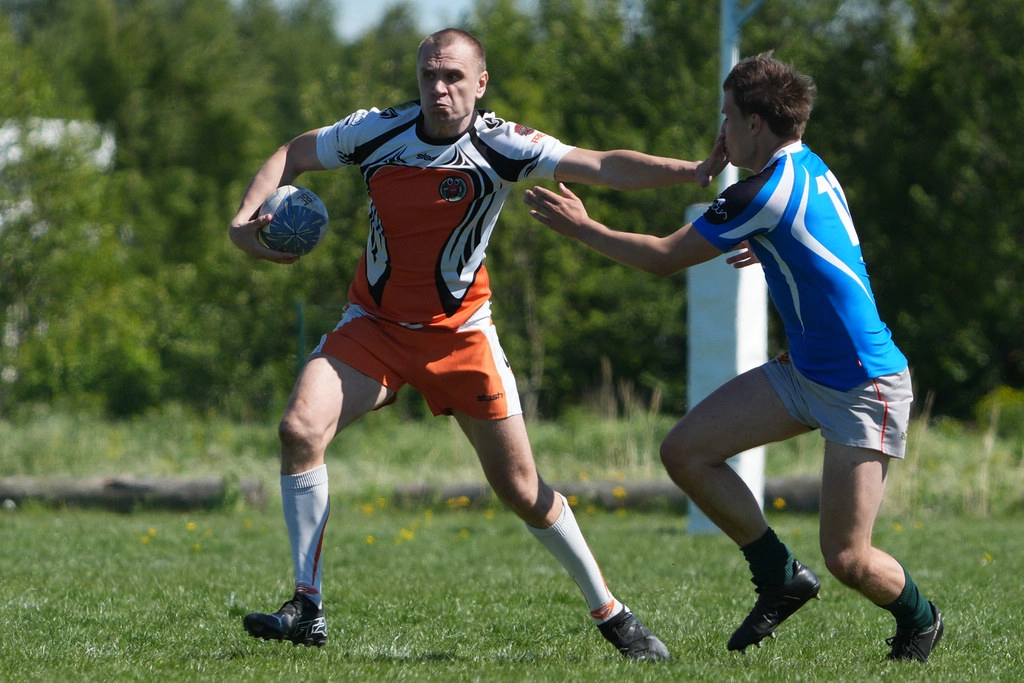
Belonging begins long before everyone knows the same calls
Belonging begins long before everyone knows the same calls.

A place in the group starts with showing up.

Newcomers do not arrive with established friendships, perfect fitness or years of rugby knowledge. They arrive as themselves. A good club should make it easy for them to begin.

Training gives people natural reasons to speak, listen and help. You learn a name because you need a passing option, offer encouragement because the drill is difficult and find that being reliable matters more than being the loudest person there.

What to expect as a newcomer

Arrive. Trust. Belong.

Social confidence rarely appears in one dramatic moment. It grows through repeated, ordinary experiences shared with the same people.

Arrive as you are
01  /  ARRIVE

Arrive as you are.

You do not need to look, sound or move like everyone else. A good team makes room for different personalities, backgrounds and starting points.

Learn to trust the team
02  /  TRUST

Learn to trust the team.

Rugby asks people to communicate clearly, accept feedback and rely on one another under pressure. Trust grows through the work you do together.

Belong beyond the field
03  /  BELONG

Belong beyond the field.

Travel, shared meals, celebrations and difficult losses create a network that continues after training. The sport may introduce people; club life gives them history together.

Confidence grows through contribution.

You do not have to be the loudest person in the room. Rugby offers many quiet ways to earn trust and find your place.

The first hello.

Someone learns your name. That simple recognition makes returning easier.

The first clear role.

A task, position or responsibility gives every newcomer a practical place in the group.

The first time people rely on you.

Showing up, listening and doing your part is how encouragement turns into real confidence.

The first difficult reset.

Losses and mistakes become shared problems to solve instead of reasons to stop coming back.

Community rugby gives people time together.

A World Rugby-commissioned study reported that rugby participants felt happier, healthier and more connected. Its model estimated that an average community club provides approximately 44,000 hours of positive social interaction.

These are global research findings, not statistics measured specifically at RFC Märjamaa.

Read the World Rugby report
44 000 approximate positive social-interaction hours per average community club
More connected one of the reported outcomes associated with rugby participation

Come for one session. Meet the people behind the crest.

You do not have to promise a season. Start by learning a few names, trying the basics and seeing how the group feels.

Plan your first session
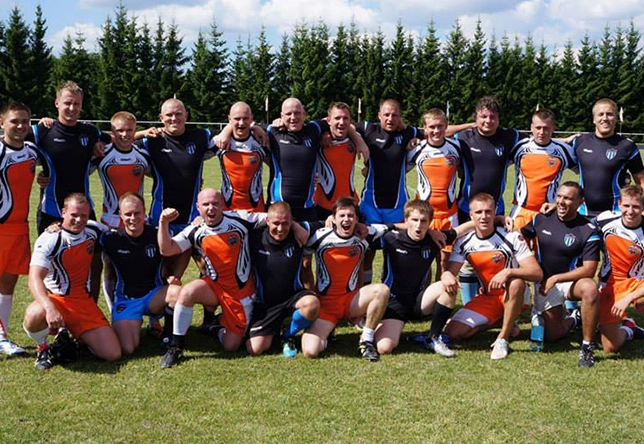
Rugby’s code • on and off the field

The game has laws. The club has a code.

Rugby culture is not just what happens after a match. It is how people prepare, compete and treat one another: play honestly, commit fully, respect the people around you and leave the physical battle on the field.

Rivalry with respect: the contest is real, but so is the shared game
Rivalry with respect: the contest is real, but so is the shared game.

Intensity only works when it has boundaries.

Rugby permits committed physical competition, but it also asks players to control that intensity through the Laws, fair play and respect for match officials. The harder the contest becomes, the more important that discipline is.

World Rugby identifies integrity, passion, solidarity, discipline and respect as the values that preserve the game’s character both on and away from the pitch.

World Rugby: the values of the game

Before. During. After.

Rugby culture makes more sense when the same standards apply before, during and after the match.

Represent the crest
01  /  BEFORE

Represent the crest.

Welcome opponents and officials. Respect the ground, the volunteers and the people who made the match possible.

Compete fully. Stay disciplined.
02  /  DURING

Compete fully. Stay disciplined.

Commit to the contest, protect your teammates and accept decisions. Physicality is part of rugby; hostility does not need to be.

Leave the rivalry on the field
03  /  AFTER

Leave the rivalry on the field.

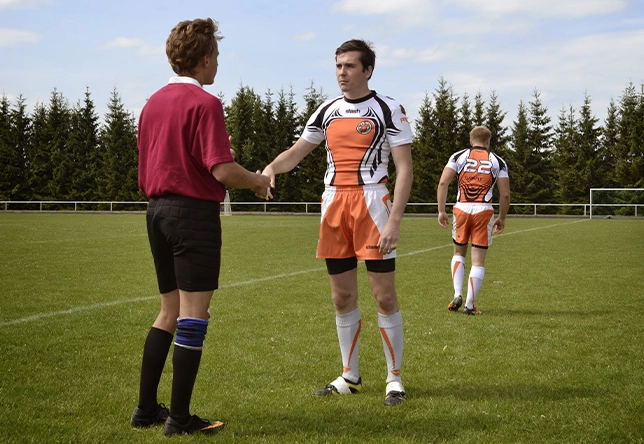
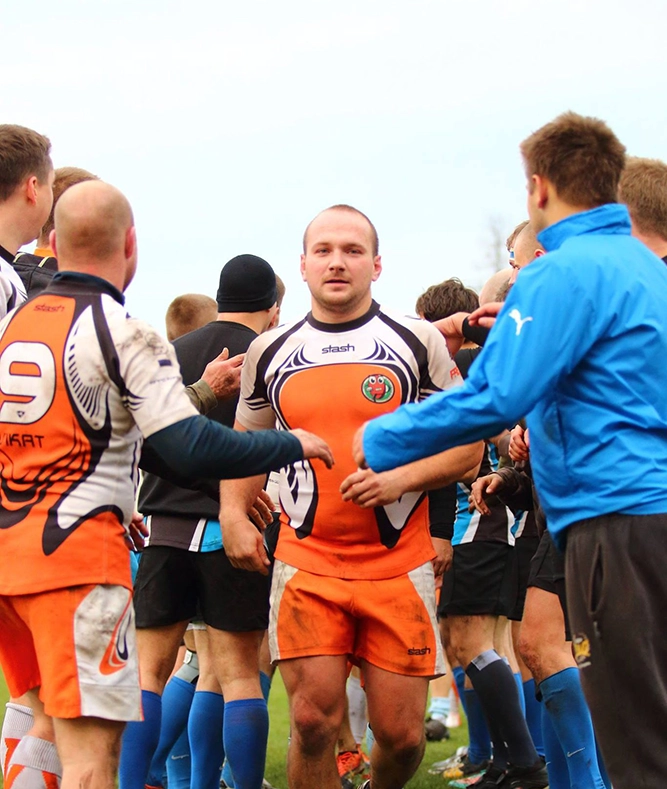
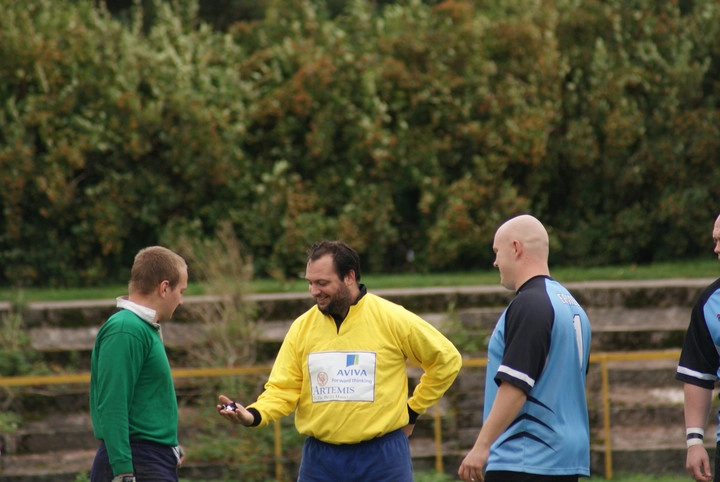
Shake hands, thank the officials and share the occasion. The match ends; the relationship between rugby people continues.

The unwritten game.

Some of rugby’s strongest traditions are not tactical instructions. They are habits that shape how people behave around the game.

Different bodies. Different jobs.

Rugby needs speed, size, balance, timing and courage. Every body type can contribute.

Listen when the referee speaks.

When the referee speaks, the team listens. Captains and senior players help keep that standard clear and respectful.

Opponents are not enemies.

You can compete fiercely without carrying contempt. Respect is not softness; it is part of the challenge.

Stop when the whistle goes.

Once play stops, check on people, reset and move forward.

The club is bigger than the lineup.

Players, coaches, officials, volunteers, supporters and hosts all carry the culture together.

A culture written into the game.

These ideas are not just club folklore. World Rugby’s Playing Charter places fair play, respect for officials, teamwork and lasting friendship at the centre of rugby’s identity.

World Rugby values

Five words that guide the standard.

Integrity. Passion. Solidarity. Discipline. Respect. They describe how rugby expects people to behave, not only how it expects them to play.

Read the official values
World Rugby Playing Charter

A physical game still needs standards.

The Charter asks coaches, captains and players to respect match officials and describes the friendships formed around rugby as one of the game’s enduring cornerstones.

Read the Playing Charter

Rugby culture begins with your first session.

The quickest way to understand the code is to train, compete and share the game with the people who already carry it.

Find your reason to play
The people and place behind the crest

Built by more than a team.

A rugby club is visible for eighty minutes. The community behind it works all week: coaching, organising, travelling, welcoming, recording and making sure there is still a club to return to next time.

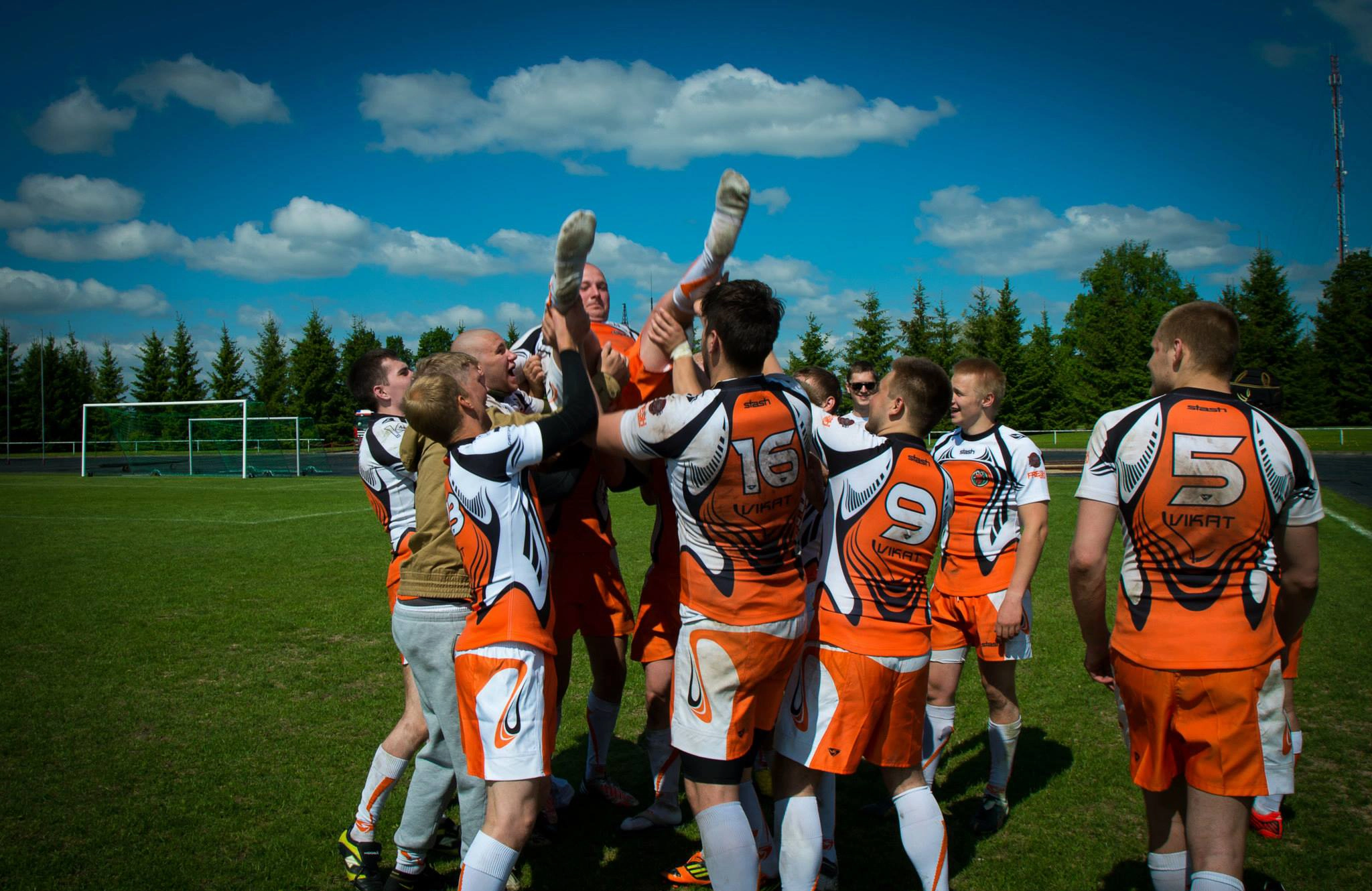
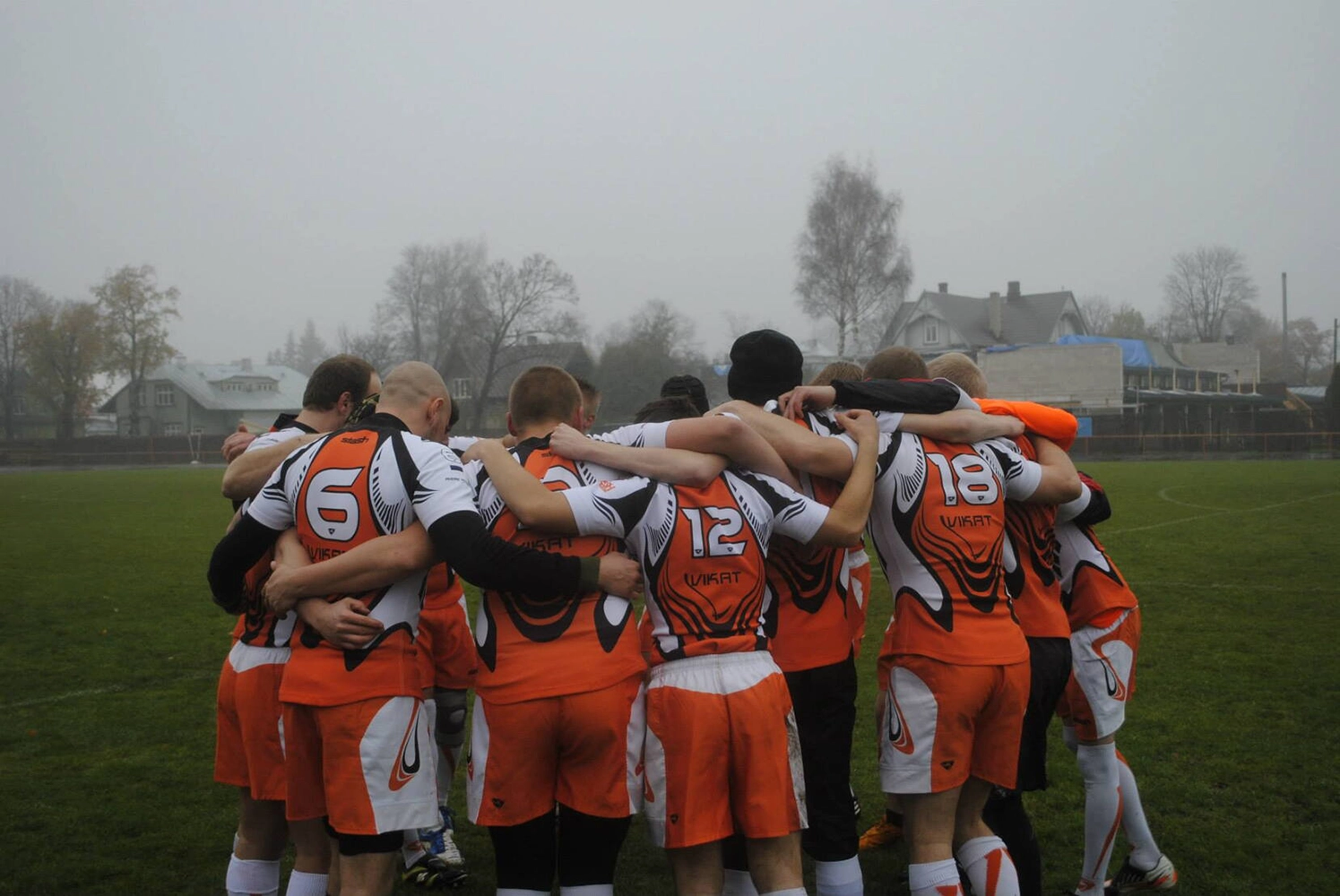
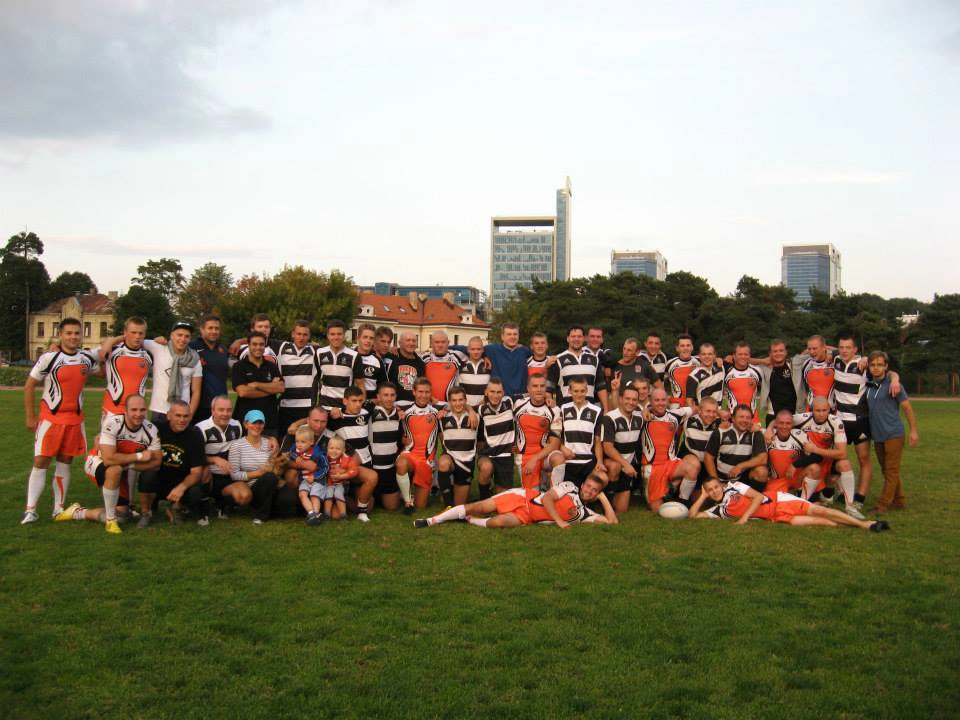
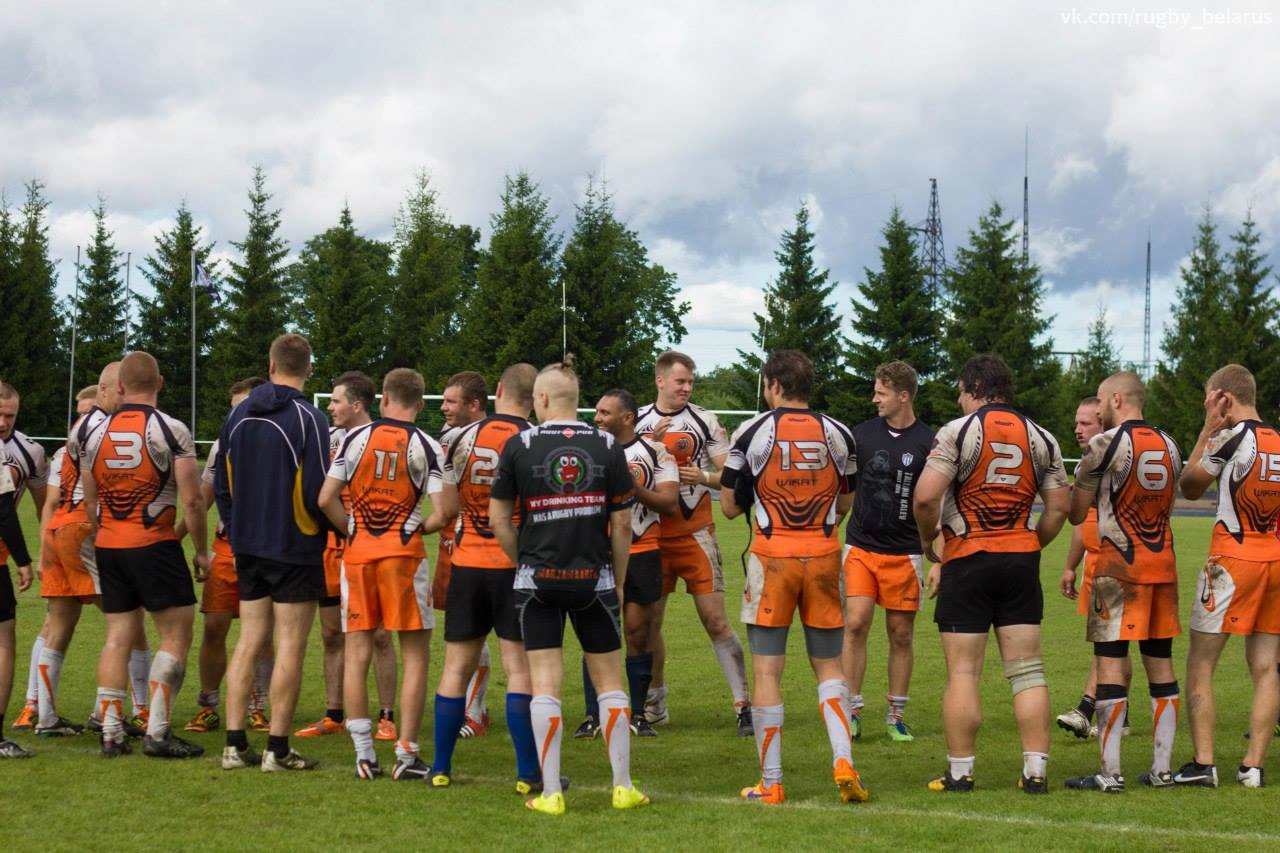
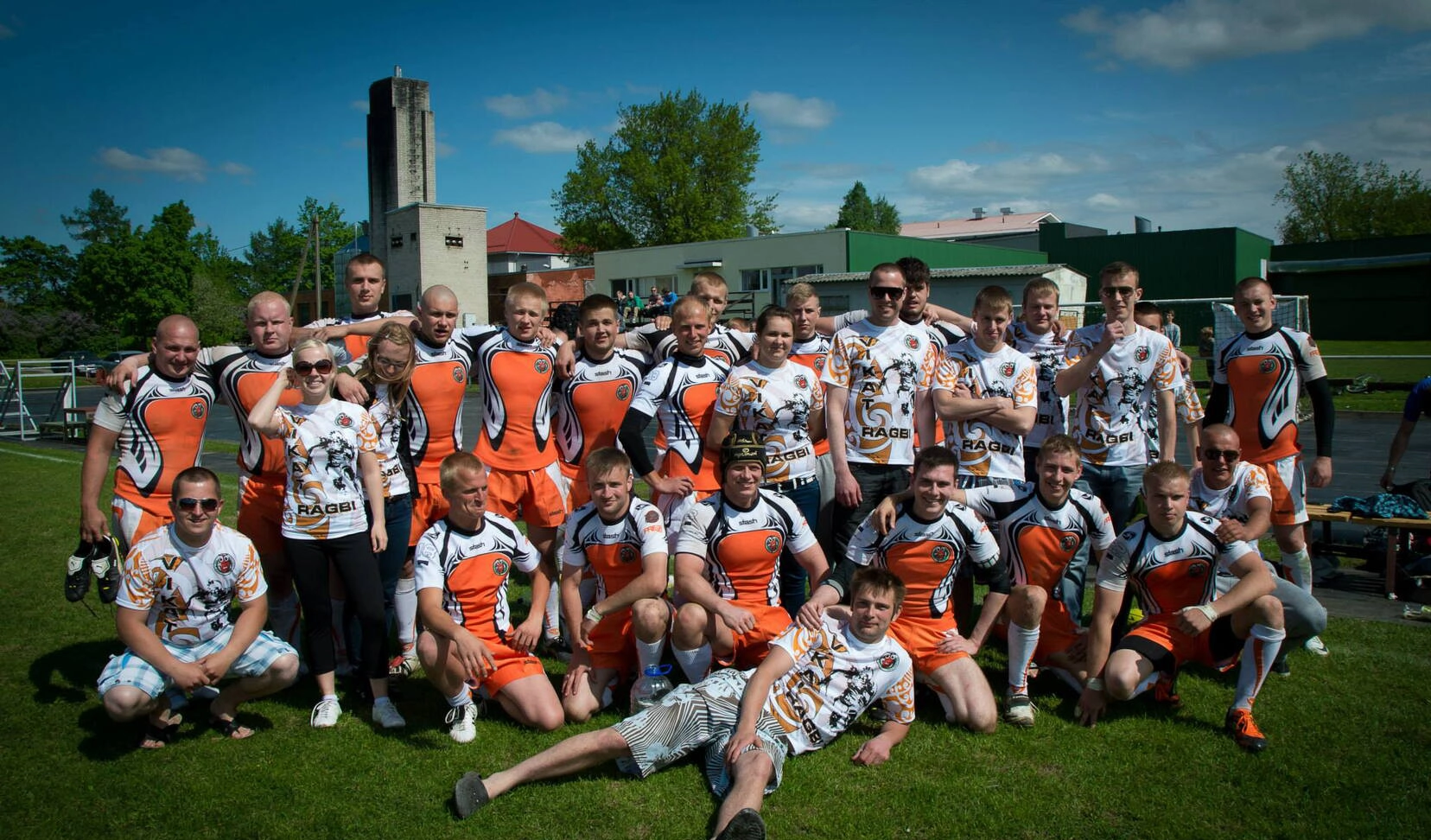
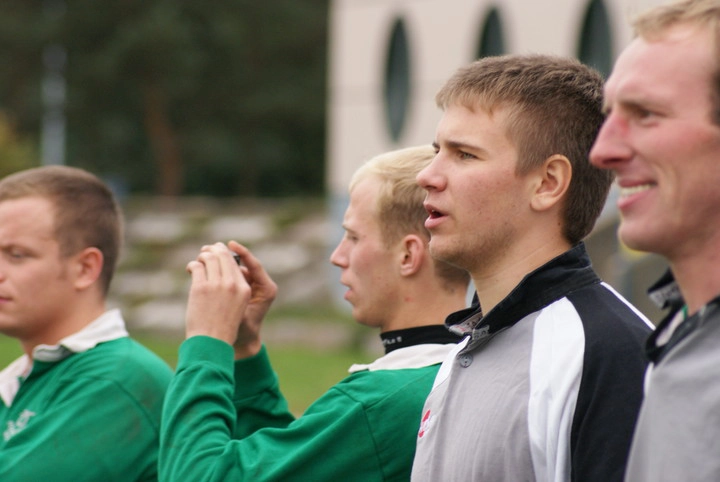
The final team photograph contains far more than one lineup
The final team photograph contains far more than one lineup.

Every match begins with work nobody sees.

Players may occupy the centre of the photograph, but a match also depends on coaches, officials, volunteers, families, hosts, photographers and the people who solve practical problems before they become visible.

Club community is practical. It is transport arranged, equipment carried, visitors welcomed, old photographs identified and people deciding that the club is worth helping.

Six parts of the same club.

Different responsibilities, one shared outcome: a place where rugby can happen and people can belong.

Players

Train, compete, represent the crest and create the moments the club remembers.

Coaches

Teach the game, set standards and help different people contribute together.

Officials

Give the contest structure, authority and the conditions for fair competition.

Volunteers

Turn plans into match days through practical work, time and reliability.

Families & supporters

Travel, encourage, photograph, wait, celebrate and keep people connected.

Partners & hosts

Provide places, opportunities and support that allow the club to operate.

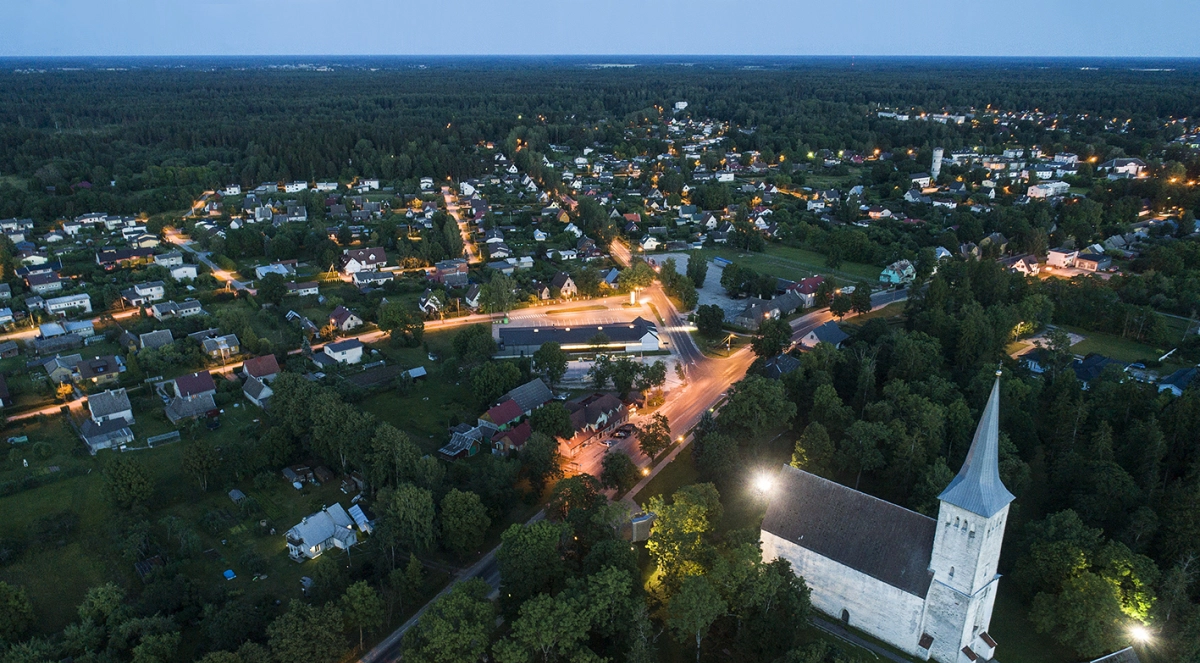
Märjamaa alev, the home of RFC Märjamaa

A small town with a crest of its own.

Märjamaa alev is the administrative centre of the municipality and had 2,387 residents as of 1 July 2026. Around it sits a municipality made up of one alev and 112 villages.

For Vikat, those figures describe more than geography. Märjamaa is the streets, fields, families and familiar faces from which the club emerged. The name travels whenever the team does.

2,387alev residents, 1 July 2026
1112one alev and 112 villages
Homethe place behind the Vikat crest
Visit the official Märjamaa alev page
Märjamaa Gümnaasium and local school life
Märjamaa Gümnaasium and the next local players

The school at the heart of the community.

Märjamaa Gümnaasium is the municipality's only gümnaasium. The school describes itself as small enough for close, flexible activity and large enough to think ambitiously and create wider connections.

Its modern sports hall opened in 2020 and includes a gym, aerobics and wrestling rooms, a ball hall and accommodation. The school and club share the same local community and the same opportunity to give young people more ways to stay active.

Only onethe municipality's sole gümnaasium
2020modern sports hall opened
Tamme tee 1school address in Märjamaa
Read the school's official story

The club exists between the fixtures.

Results may be recorded on match day. Continuity is created in the ordinary work before and after it.

01

Prepare the day.

Equipment, fields, schedules, food, contacts and the details that make arrival possible.

02

Move the team.

Transport, directions, timing and the practical work behind every away fixture.

03

Preserve the history.

Photographs, names, results and stories only survive when somebody records them.

04

Welcome the people.

Opponents, officials, newcomers and families should feel welcome and know what is happening.

Contribution does not require a jersey.

An hour of help, an old photograph or one reliable introduction may matter as much as a performance on the field.

Help at an event

Setup, hosting, timing, food or practical match-day support.

Photograph the club

Document people and moments before they disappear from memory.

Share old material

Send names, images, programmes, results or corrections to the archive.

Help with transport

Make training, events and away fixtures easier to reach.

Support the club

Offer a service, venue, introduction or partnership opportunity.

Tell the story

Share the club's work and help the right people discover it.

There is more than one way to wear the crest.

Play, volunteer, share history, make an introduction or help solve one practical problem. A lasting club needs many different kinds of contribution.

Tell us how you can help
Rugby after the whistle

When the match ends. The club continues.

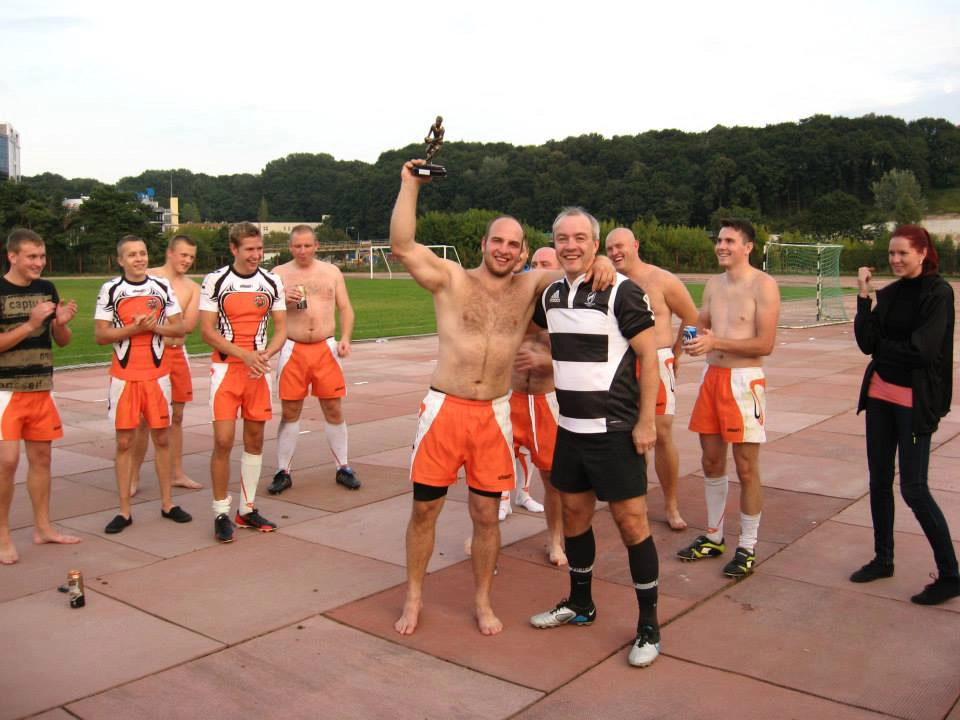
Rugby asks teams to compete with everything they have, then leave the rivalry on the field.
The third half is where opponents become guests, officials are thanked and the stories begin.

RFC Märjamaa players gathered around a table after rugby
Rival teams. One table.

The third half, explained.

The physical contest belongs on the pitch. Afterwards, players from both teams come together socially, share food, recover and recognise the people who made the match possible. That contrast is one of rugby’s defining traditions.

World Rugby describes the long-standing custom of competing teams enjoying one another’s company away from the field as being at the core of the game.

Read the World Rugby playing values

The rules of our third half.

The gathering may change, but the standard should not.

Opponents are guests

The rivalry ends with the whistle. Everyone is treated with respect afterwards.

Officials are thanked

Referees, volunteers and organisers deserve recognition for making the match possible.

Everyone belongs

Players, supporters and helpers share the occasion, whether they drink alcohol or not.

Stories are exchanged

The same collision can become two excellent versions of the same story before dessert.
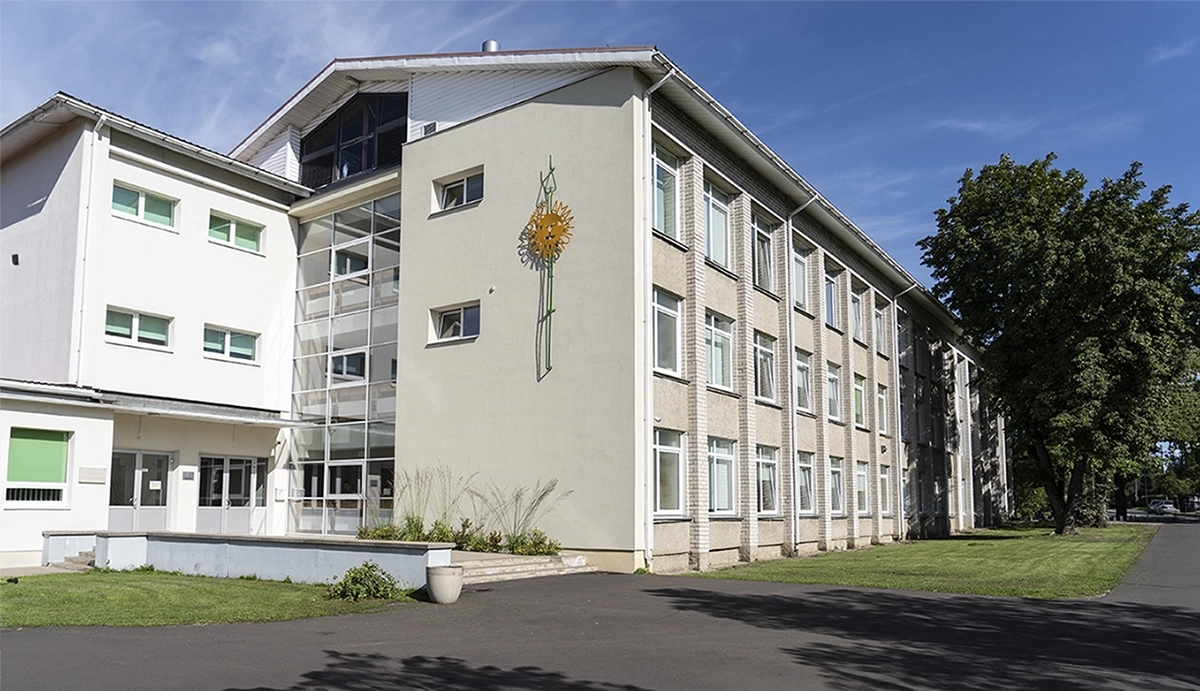
The club continues

Friendships, invitations and future fixtures are often built after the score is settled.

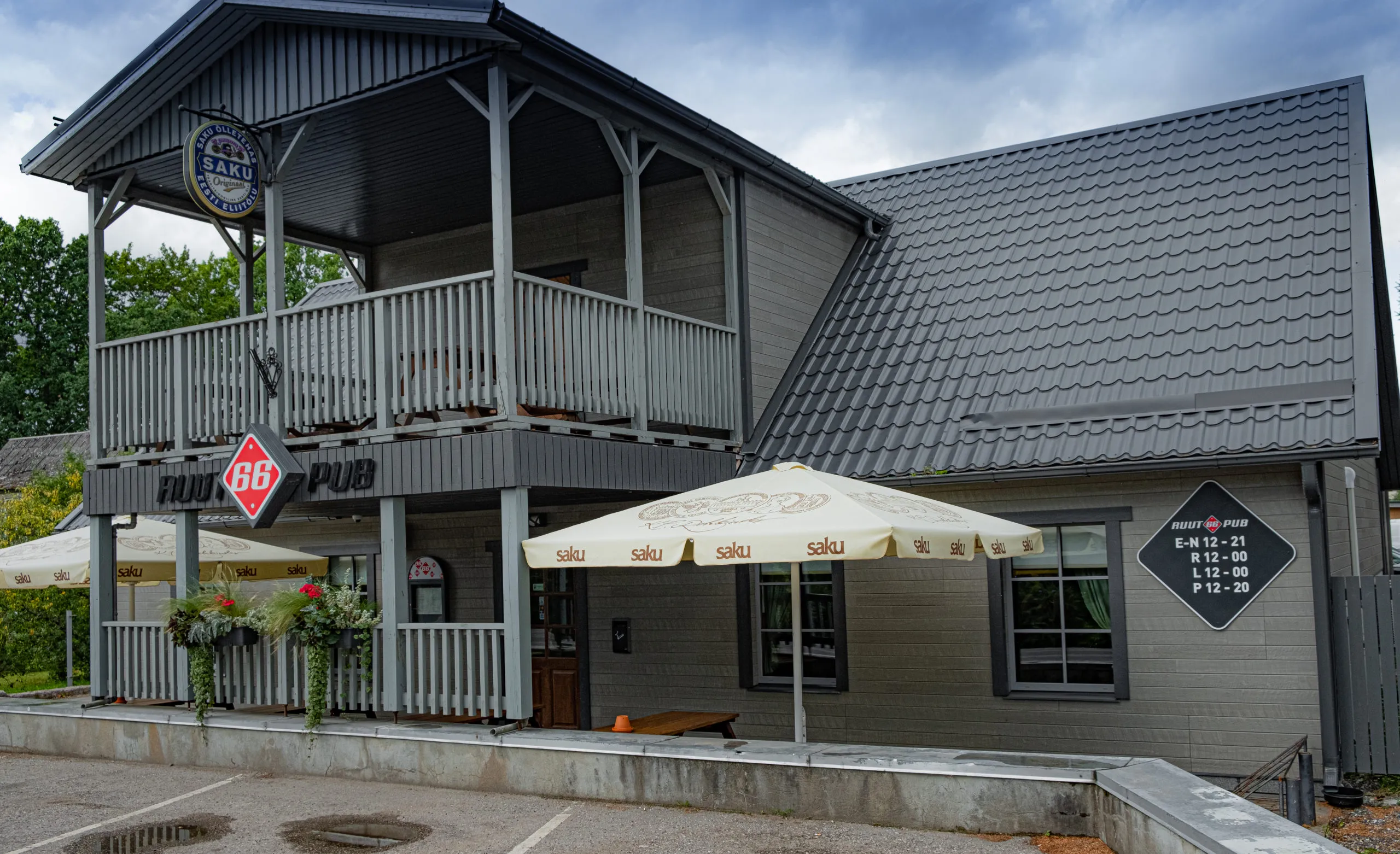
Ruut 66, Märjamaa.

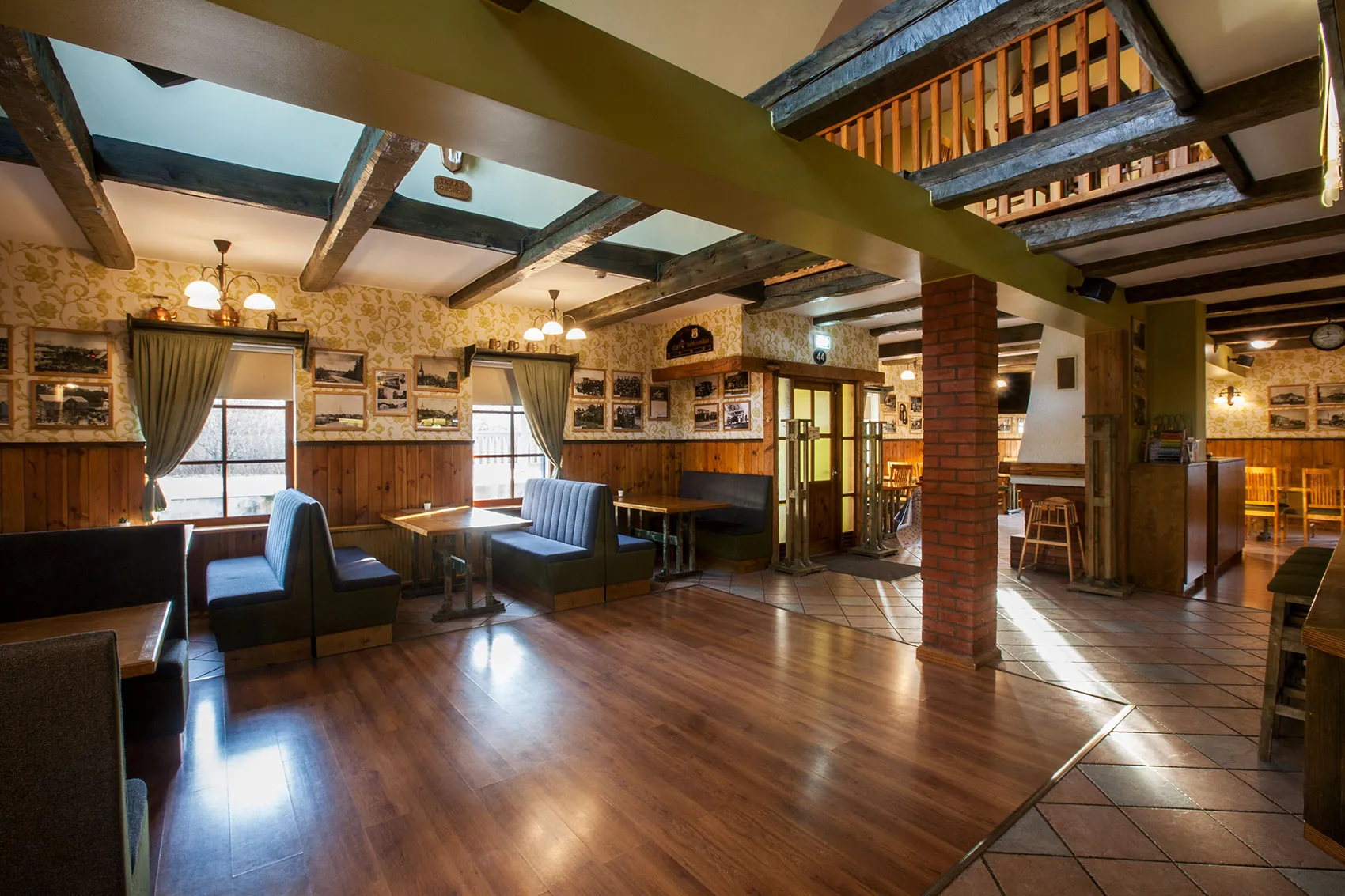
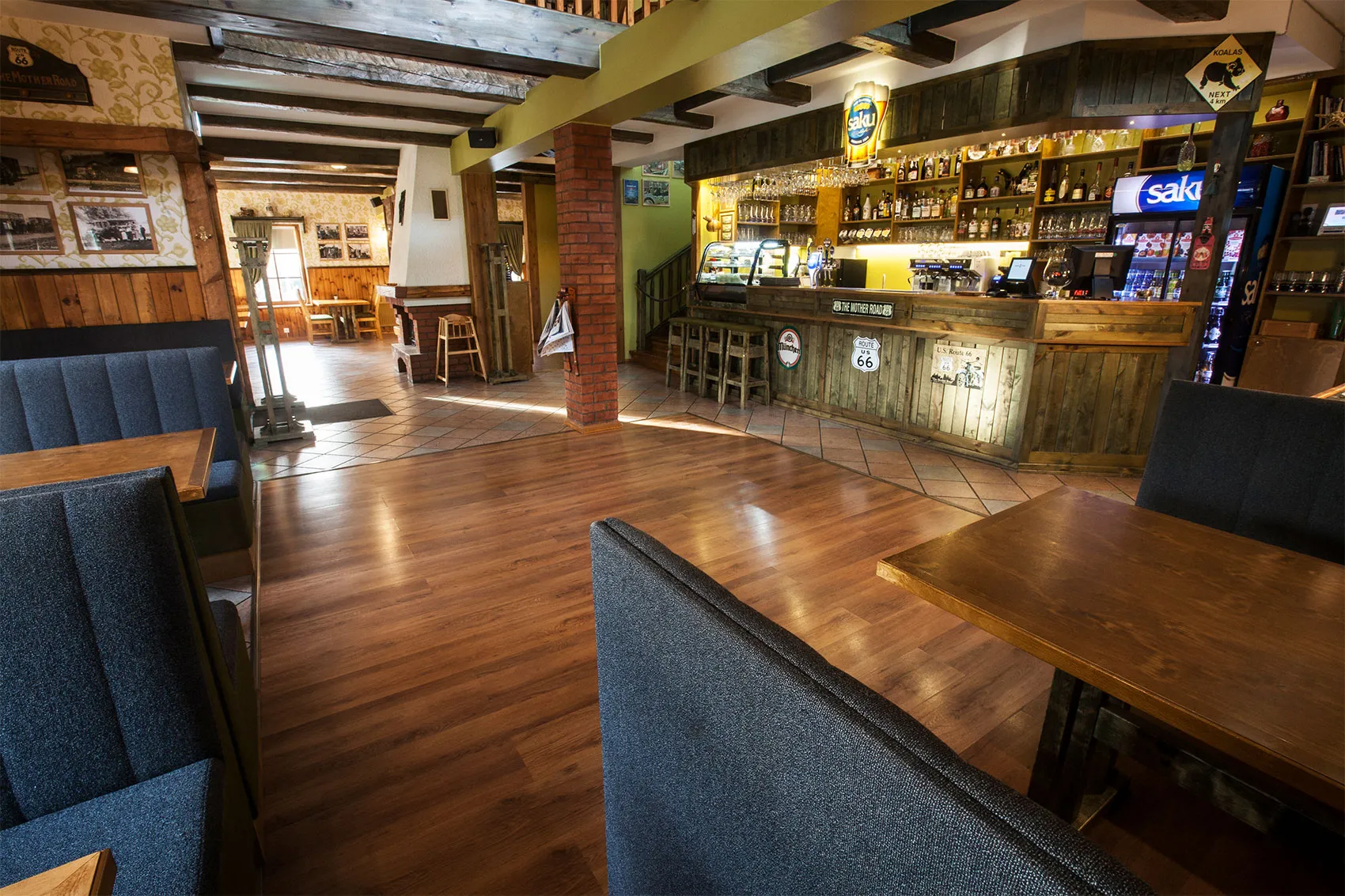
For many years, when the final whistle sounded in Märjamaa, the next part of match day led to Ruut 66. Players, opponents, officials and supporters gathered there to eat, recover and turn eighty minutes of rivalry into an evening around the same tables.

Ruut 66 opened in 2002 on Märjamaa’s main street at Pärnu mnt 44. The pub describes its offer as traditional food prepared with local ingredients where possible, alongside event catering and upper and lower summer terraces.
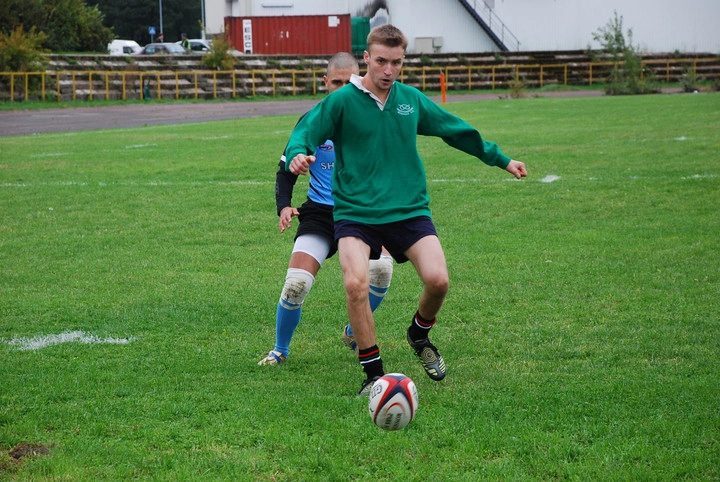
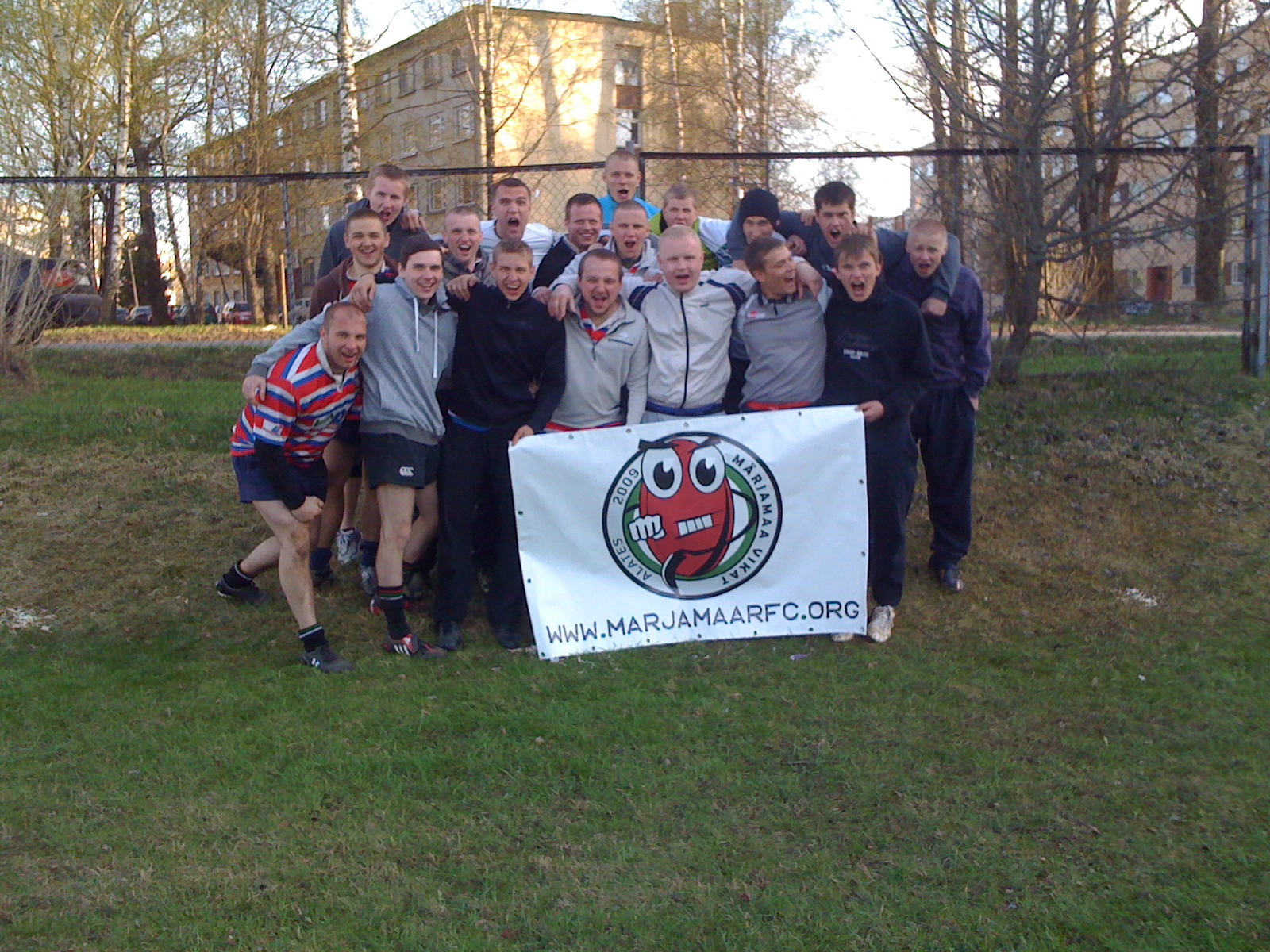
Ruut 66 is presented here as an important historic club host. This is not a statement of a current commercial partnership.

2002 Opened Pärnu mnt 44 Märjamaa Food & events Pub, terraces and catering
Visit Ruut 66

Beyond one venue.

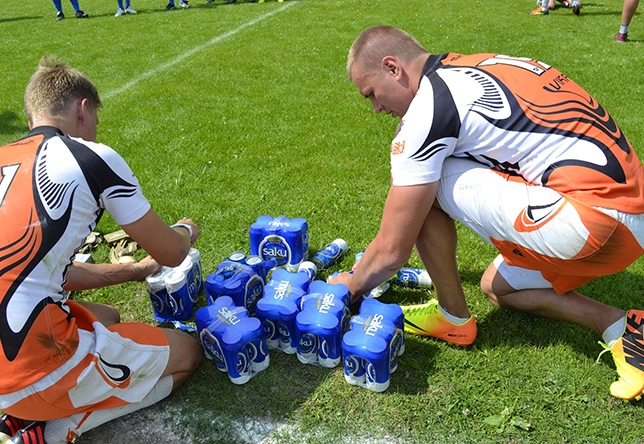
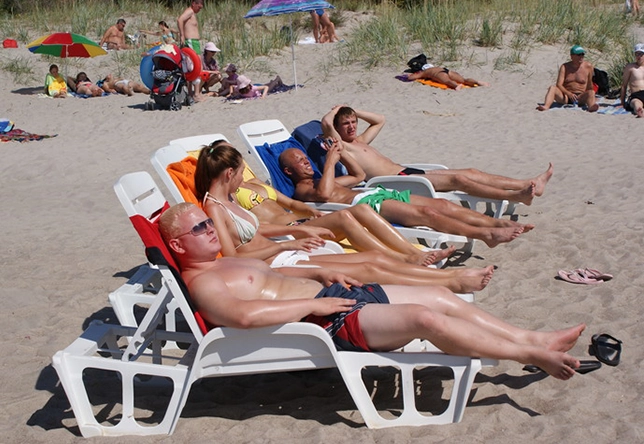
The third half can be a meal, a tournament evening, a beach day or a quiet moment after everyone has helped pack the equipment away.

Recovery together
Recovery together
Tournament weekends
Tournament weekends
The wider community
The wider community

Your place at the table starts on the field.

Come to a training session, meet the team and become part of everything that happens before and after the whistle.

Come to a training session